
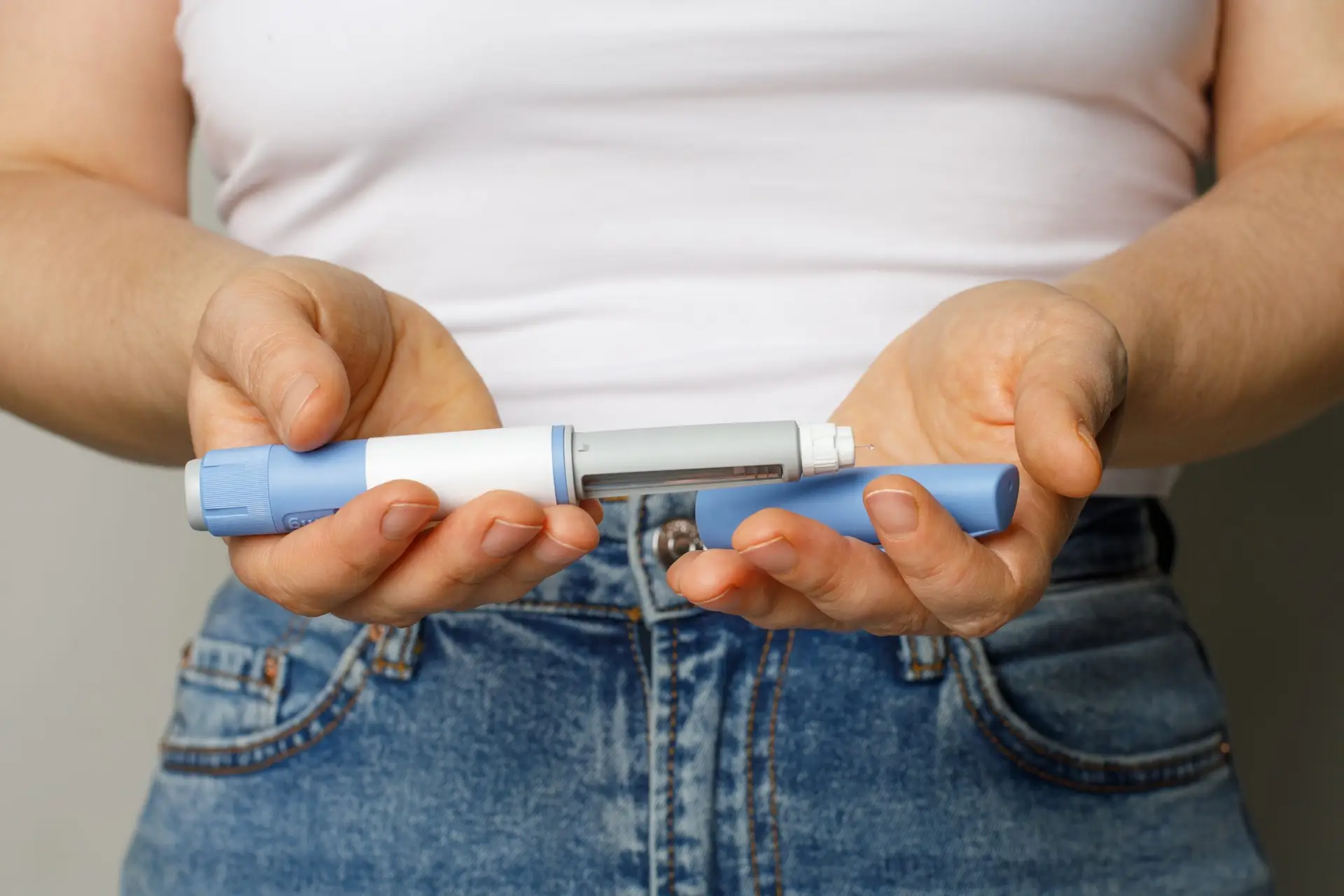
Weight loss medications offer a promising avenue for individuals struggling with obesity, a condition linked to serious health issues. Among the options, GLP-1 receptor agonists like semaglutide and dual hormone medications such as tirzepatide have gained attention. Understanding these medications’ mechanisms and effectiveness can guide patients in making informed decisions about their weight loss journey. This article examines various prescription weight loss drugs, including appetite suppressants and combination therapies, to provide a comprehensive overview of available treatments.
How Do Weight Loss Medications Work?
Weight loss medications function by targeting specific physiological pathways to aid in reducing body weight. GLP-1 receptor agonists, such as semaglutide, mimic hormones that play a crucial role in appetite regulation, thereby helping to decrease food intake. Other medications might work by inhibiting fat absorption or altering carbohydrate metabolism. These pharmacological interventions are typically prescribed for individuals with a body mass index (BMI) of 30 or higher, or 27 if accompanied by obesity-related conditions such as hypertension or type 2 diabetes. It is important to note that these medications are designed to complement, not replace, lifestyle modifications, including diet and exercise. While they can be effective for some individuals, these treatments require careful consideration and medical oversight, as they are not universally suitable. The selection of a specific medication should be tailored to the individual’s health profile and monitored by healthcare professionals to ensure both safety and effectiveness.
GLP-1 Medications: What Makes Them Different?
GLP-1 medications, including semaglutide, represent a class of drugs that mimic the glucagon-like peptide-1 hormone. This hormone is essential for regulating appetite and insulin secretion, making these medications valuable in supporting weight loss efforts. By enhancing these natural processes, GLP-1 medications can help reduce hunger and promote weight reduction. Semaglutide, in particular, has shown promise in decreasing appetite, although individual effectiveness can vary. These medications are often prescribed alongside lifestyle changes, such as improved diet and increased physical activity, to maximize results. Despite their potential, the long-term effects and safety profiles of GLP-1 medications remain under investigation. Ongoing research is crucial to better understand their efficacy and safety, necessitating careful monitoring by healthcare providers to ensure that patients receive the most appropriate and effective treatment for their weight management needs.
Dual Hormone Medications (GLP-1/GIP): Are They More Effective?
Dual hormone medications, such as tirzepatide, offer a novel approach to weight management by combining the effects of GLP-1 and glucose-dependent insulinotropic polypeptide (GIP). This combination targets multiple pathways involved in appetite regulation and metabolism, potentially providing a more comprehensive strategy for weight loss. Studies suggest that tirzepatide may offer significant weight loss benefits compared to GLP-1 medications alone, although direct comparisons between these treatments are limited. Individual responses to dual hormone therapies can vary, highlighting the importance of adherence to prescribed regimens and lifestyle modifications. As with any weight loss medication, the success of dual hormone therapies depends on medical supervision and personalized treatment plans. Healthcare providers play a critical role in tailoring these treatments to meet the unique needs of each patient, ensuring both safety and efficacy in their weight loss journey.
Appetite Suppressants: How Do They Compare?
Appetite suppressants are another category of weight loss medications that function by reducing the sensation of hunger. These drugs work by influencing neurotransmitters in the brain to decrease appetite and food intake. While appetite suppressants can be effective for short-term weight loss, their long-term use is often limited due to potential side effects and diminishing efficacy over time. These medications are typically prescribed as part of a comprehensive weight management plan, which includes dietary and behavioral interventions. They may be particularly beneficial for individuals who struggle with controlling food cravings, but require careful monitoring by healthcare providers to manage potential side effects and ensure safe use. Patients considering appetite suppressants should engage in open discussions with their healthcare providers to weigh the benefits and risks, ensuring that their weight loss strategy is both effective and aligned with their overall health goals.
Combination Medications for Cravings and Emotional Eating
Combination medications are designed to address multiple aspects of weight management, including cravings and emotional eating. These drugs often combine appetite suppression with other mechanisms, such as mood stabilization, to enhance weight loss efforts. By targeting both physiological and psychological factors, combination medications can be particularly beneficial for individuals who experience emotional triggers for overeating. However, these treatments must be carefully tailored to individual needs and administered under medical supervision to ensure both safety and efficacy. Ongoing research continues to explore the potential benefits and risks associated with these medications, emphasizing the need for personalized treatment strategies. Patients should work closely with their healthcare providers to determine the most appropriate combination therapy, taking into account their unique health profiles and weight loss objectives.
Fat Absorption Blockers: A Different Approach
Fat absorption blockers offer a unique approach to weight management by preventing the digestion and absorption of dietary fats. These medications act in the gastrointestinal tract to inhibit enzymes responsible for breaking down fats, thereby reducing calorie intake. While effective for some individuals, fat absorption blockers can lead to gastrointestinal side effects, such as diarrhea and flatulence. They are most effective when paired with a low-fat diet and are typically recommended for individuals who have not achieved desired results with other weight loss methods. As with all medications, fat absorption blockers require careful consideration and monitoring by healthcare providers to ensure safe and effective use. Patients should discuss potential side effects and dietary adjustments with their healthcare providers to optimize the benefits of this treatment while minimizing any adverse effects.
Side-by-Side Comparison Chart
A side-by-side comparison of weight loss medications can aid patients and healthcare providers in making informed decisions about treatment options. GLP-1 medications like semaglutide primarily focus on reducing appetite, while dual hormone options such as tirzepatide target multiple pathways for potentially greater efficacy. Appetite suppressants mainly work by decreasing hunger, whereas fat absorption blockers reduce calorie intake from dietary fats. Each medication offers distinct benefits and potential side effects, making it essential to tailor treatment to individual needs and medical history. Consulting with a healthcare provider is crucial to determine the most appropriate option based on a patient’s specific health profile and weight loss goals. This personalized approach ensures that patients receive the most effective and safe treatment for their weight management journey.
Which Weight Loss Medication Is Right for Women?
Choosing the right weight loss medication for women involves considering factors such as hormonal influences, reproductive health, and potential side effects. Certain medications may be more suitable for women due to their specific health profiles and lifestyle needs. For instance, GLP-1 medications can be beneficial for women with obesity-related conditions like polycystic ovary syndrome (PCOS). However, the choice of medication should always be guided by a healthcare provider, who can assess individual health needs and potential interactions with other treatments. This personalized approach ensures that the chosen medication aligns with the patient’s overall health and wellness objectives. Women should engage in open discussions with their healthcare providers to explore the most suitable options, ensuring that their weight loss strategy is both effective and supportive of their unique health requirements.
How Medications Compare to Weight Loss Surgery
Weight loss medications and surgery represent different strategies for managing obesity, each with its own set of benefits and considerations. Medications offer a non-invasive option that can be effective for individuals who are not candidates for surgery or prefer a less drastic intervention. However, weight loss surgery, such as sleeve gastrectomy, may provide more significant and sustained weight loss for some patients. The decision between medication and surgery depends on factors such as the severity of obesity, comorbid conditions, and patient preferences. Both options require lifestyle changes and ongoing medical support to achieve and maintain weight loss, emphasizing the need for a comprehensive and individualized treatment plan. Patients should consult with their healthcare providers to explore the most appropriate approach for their specific health needs and weight loss goals.
Risks, Side Effects, and Long-Term Considerations
While weight loss medications can be beneficial, they also come with potential risks and side effects. Common side effects include gastrointestinal issues, headaches, and dizziness. Long-term use of these medications necessitates careful monitoring to manage any adverse effects and ensure continued efficacy. Some medications may also interact with other treatments, highlighting the importance of medical supervision. Patients should discuss their medical history and any concerns with their healthcare provider to make informed decisions about their weight loss plan. Ongoing research continues to evaluate the long-term safety and effectiveness of these treatments, ensuring that patients receive the most up-to-date care. By maintaining open communication with healthcare providers, patients can navigate the complexities of weight management with confidence and support.
When to Contact Your Doctor
Patients considering weight loss medications should consult their doctor to discuss their options and determine the most suitable treatment plan. It is crucial to seek medical advice if experiencing any side effects or if the medication does not produce the desired results. Regular follow-ups with a healthcare provider can help monitor progress and make necessary adjustments to the treatment plan. Open communication with a doctor ensures that patients receive the support and guidance needed for a successful weight loss journey. This collaborative approach helps tailor the weight loss strategy to the patient’s unique health needs and goals, fostering a supportive environment for achieving and maintaining weight loss.
Call To Action
If you’re ready to explore weight loss medications as part of your journey to better health, reach out to 4ward Wellness. Our team is here to support you every step of the way. Request an appointment today to discuss your options.
Citations
Journal of diabetes (2026) – Who Wins the Battle Against Obesity? A Network Meta-Analysis Comparing Tirzepatide and Semaglutide.
https://pubmed.ncbi.nlm.nih.gov/41664890/
Expert review of endocrinology & metabolism (2026) – Comparison of pharmacotherapies for obesity with sleeve gastrectomy: a network meta-analysis and systematic review.
https://pubmed.ncbi.nlm.nih.gov/41968780/
Advances in therapy (2026) – Comparison of Clinical Efficacy and Safety of Tirzepatide, Liraglutide and Semaglutide in Patients with Obesity and Without T2D: A Bayesian Network Meta-Analysis of Randomised Controlled Trials.
https://pubmed.ncbi.nlm.nih.gov/41820778/
For education only, not medical advice.