
Undergoing weight-loss surgery is a significant step toward improving your overall health and quality of life. While surgery helps create a smaller stomach and supports long-term weight management, your success also depends on making mindful food choices during recovery and beyond. Understanding which foods and beverages to limit or avoid can help prevent complications, improve digestion, and support your weight-loss goals.
Following surgery, your body undergoes several phases of healing, starting with a liquid diet, progressing to soft foods, and eventually allowing solid foods. Each phase requires careful attention to nutrition, hydration, and portion control to prevent discomfort and preserve surgical outcomes.
Sugary Foods and Drinks
Sugary foods and beverages are among the most important items to avoid after bariatric surgery. Foods high in fat and sugar can quickly overwhelm your digestive system and may trigger dumping syndrome, a condition that occurs when food moves too quickly into the small intestine. Symptoms may include nausea, cramping, diarrhea, dizziness, and rapid heart rate.
Patients should be cautious about consuming:
- Candy and desserts
- Sweetened coffee beverages
- Pastries and baked goods
- Regular soda
- Sweetened tea or energy drinks
- Fruit juice, which often contains concentrated sugar without fiber
Choosing low-sugar alternatives and focusing on balanced meals rich in high-protein foods helps maintain energy levels and supports healing.
Carbonated Beverages
Carbonated drinks are typically restricted after weight-loss surgery. The gas in these beverages can expand inside your smaller stomach, causing discomfort, bloating, and increased pressure on the surgical area.
Carbonated beverages may also interfere with hydration goals. Patients are typically advised to consume at least 64 ounces of fluid daily to prevent dehydration and support digestion. Water, unsweetened beverages, and approved electrolyte drinks are safer options for maintaining hydration and supporting recovery.
Fried and High-Fat Foods
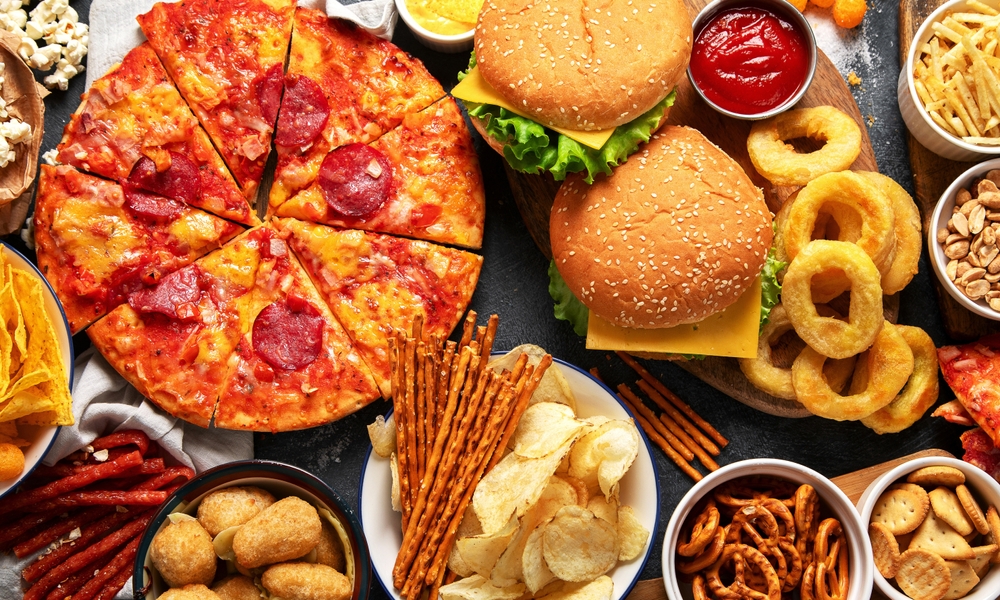
Fried and high-fat foods can be difficult to digest after surgery and may impede weight-loss progress. These foods are often calorie-dense, meaning they contain a large number of calories in small portions, which can increase the risk of stalled progress or even gain weight.
Common foods to limit include:
- Fried chicken or fried seafood
- French fries and potato chips
- Heavy cream-based sauces
- Fast food items
Instead, patients are encouraged to focus on grilled, baked, or steamed meal options that support digestion and weight management.
Tough or Dry Meats
Protein plays an essential role in postoperative healing and muscle maintenance. However, certain protein sources may be difficult to tolerate during early recovery.
Tough or dry meats, such as overcooked steak, pork chops, or dense deli meats, can be difficult to chew and digest, particularly in the weeks or months after surgery, when the digestive system is still adjusting.
Patients are often encouraged to choose moist, easy-to-chew protein sources such as:
- Lean ground meats
- Fish
- Eggs
- Shredded or slow-cooked poultry
These options help patients meet protein goals while protecting the digestive system.
White Bread, Rice, and Pasta
Refined carbohydrates, such as white bread, white rice, and traditional pasta, can expand in the stomach after consumption, which may cause discomfort or fullness in the smaller stomach pouch. These foods may also impede weight-loss progress because they are rapidly digested and can increase blood glucose levels.
During early recovery, these foods may be particularly difficult to tolerate as the transition from soft to solid foods is made. When tolerated, whole-grain options may provide greater nutritional value and support digestion.
Alcohol
Patients are strongly advised to avoid alcohol after bariatric surgery, especially during early recovery. Alcohol is absorbed more quickly following surgery, which can increase intoxication risk even with small amounts.
Alcohol also provides empty calories and may slow progress toward weight goals. Additionally, alcohol can irritate the digestive system and interfere with healing during the months after surgery. Patients should speak with their provider before reintroducing alcohol at any stage of recovery.
Highly Processed and Snack Foods
Highly processed foods often contain high levels of fat, sugar, sodium, and preservatives. These foods provide little nutritional value and may increase cravings, making it harder to maintain long-term weight loss.
Examples of foods to limit include:
- Packaged snack cakes
- Chips and crackers
- Frozen convenience meals
- Sugary breakfast cereals
Replacing these items with nutrient-dense foods supports healing and helps maintain energy throughout the day.
Certain Fruits and Vegetables (Early Stages)
While fruits and vegetables are essential for long-term health, certain varieties may be difficult to digest during the early recovery phases. Raw vegetables, fibrous fruits, or produce with thick skins may cause discomfort in the weeks after surgery.
During early recovery, patients are often encouraged to consume:
- Pureed fruits
- Soft fruits without skins or seeds
- Well-prepared cooked vegetables
As healing progresses, patients can gradually reintroduce raw produce under medical guidance.
General Eating Habits to Avoid
Successful recovery after weight-loss surgery depends not only on dietary choices but also on eating behaviors. Patients should avoid habits that can interfere with digestion or healing, including:
- Eating too quickly
- Drinking liquids while eating
- Skipping meals
- Consuming large portions
- Failing to stay hydrated
Most patients are encouraged to separate meals and liquids by at least 30 minutes. This allows food to digest properly and helps prevent discomfort or nausea. Patients should also aim to consume enough fluids throughout the day to meet hydration goals, often requiring at least one fluid a day, with a target of 64 ounces.
When to Talk to Your Doctor
Recovery after bariatric surgery is unique for each patient. While mild discomfort and dietary adjustments are normal, certain symptoms should be discussed with a healthcare provider.
Patients should contact their doctor if they experience:
- Persistent nausea or vomiting
- Severe abdominal pain
- Difficulty tolerating foods or fluids
- Signs of dehydration
- Symptoms of dumping syndrome
- Unexpected weight regain or difficulty maintaining weight loss
Routine follow-up visits help monitor the progress of healing, ensure adequate nutrition, and support long-term success.
Supporting Your Success After Surgery
Adjusting your diet after bariatric surgery can feel overwhelming, but these changes are essential for protecting your health and achieving lasting results. Avoiding problematic foods, prioritizing hydration, and maintaining a balanced diet support healing and promote sustainable weight loss. With appropriate guidance and lifestyle habits, bariatric surgery can be a powerful tool for long-term health and improved quality of life.
If you are seeking a consultation, contact the professionals at Allied Digestive Health.